
The global DC Drives Market size is further predicted to reach USD 7.89 billion by 2030 with a CAGR of 6.4% from 2025 to 2030. The DC drives market is experiencing significant growth, fueled by the global push for automation, electrification, and energy-efficient industrial solutions. DC drives, which control the speed and torque of DC motors, are critical components in industries like manufacturing, automotive, and renewable energy, offering precise control and reliability. Recent developments, including advancements in power electronics, increasing adoption in electric vehicle (EV) production, and supply chain challenges, are shaping the market’s trajectory. This article explores the latest trends in the DC drives market, drawing from recent industry insights and technological innovations.
Automation as a Key Growth Driver
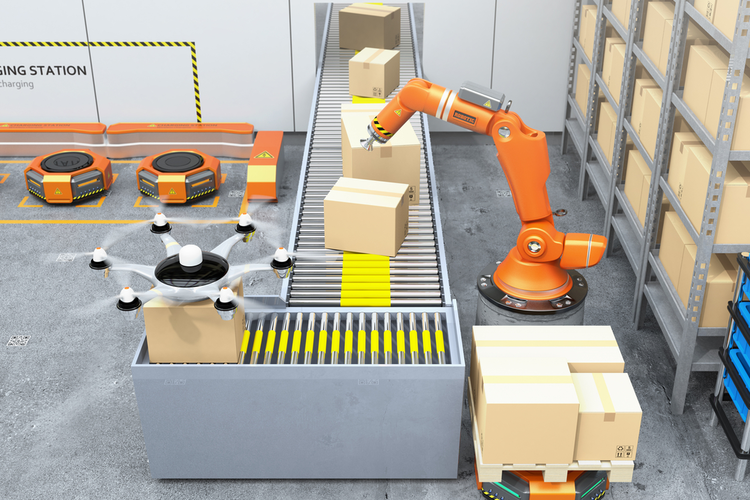
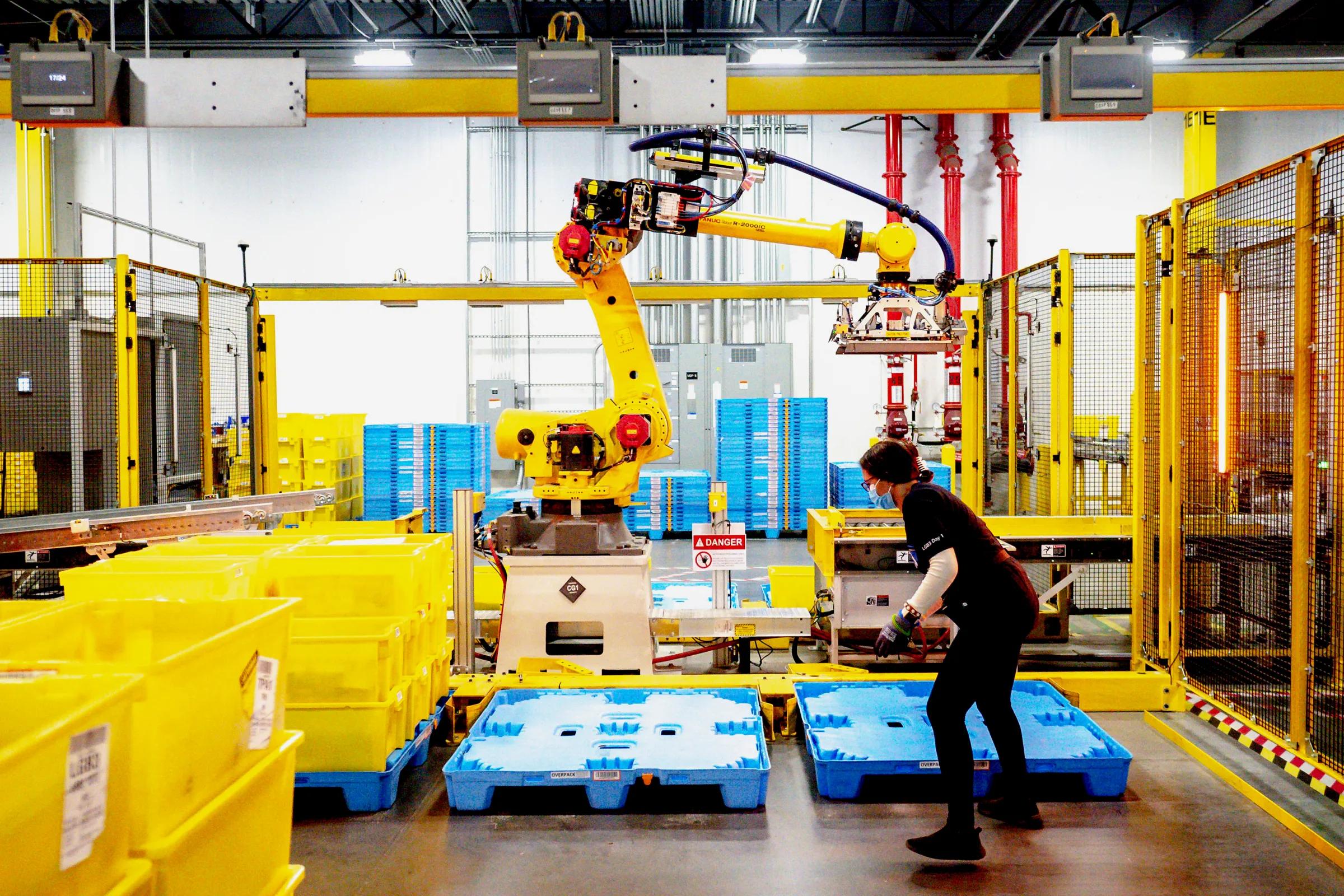
The surge in industrial automation is a primary catalyst for the DC drives market, as industries seek precise and energy-efficient motor control solutions. In 2025, the integration of DC drives in robotic systems and automated manufacturing processes is accelerating, particularly in the automotive and electronics sectors. Recent data highlights the installation of thousands of automotive robots in North America, underscoring the demand for DC drives to ensure accurate motion control in assembly lines. These drives are essential for applications requiring variable speed control, such as conveyor systems and material handling.
The adoption of Industry 4.0 technologies, including IoT and smart manufacturing, is further driving demand for advanced DC drives with real-time monitoring capabilities. These systems enable predictive maintenance and optimize energy consumption, enhancing operational efficiency. However, the complexity of integrating DC drives with smart factory systems poses challenges, requiring skilled technicians and robust software solutions.
Electrification and Electric Vehicle Production
The global shift toward electrification, particularly in the automotive sector, is boosting demand for DC drives. The rise in electric vehicle (EV) production, driven by consumer demand and government incentives, is increasing the need for DC drives in battery assembly and drivetrain components. Recent industry reports highlight the growing use of DC torque tools, which rely on DC drives, in EV manufacturing for precise fastening and assembly processes. Strategic partnerships between DC drive manufacturers and automotive OEMs are facilitating customized solutions for EV platforms.
While EVs are a significant growth area, challenges like battery supply constraints and the need for specialized DC drives for high-voltage applications remain. Manufacturers are addressing these by developing compact, high-efficiency drives that integrate seamlessly with EV systems, supporting the transition to sustainable mobility.
Advancements in Power Electronics
Technological advancements in power electronics are transforming the DC drives market, enabling higher efficiency and performance. In 2024, the 240–600 V voltage rating segment emerged as a dominant category, accounting for a significant share of the market due to its widespread use in medium-power industrial applications like HVAC systems, pumps, and material handling. Recent innovations in insulated-gate bipolar transistors (IGBTs) and silicon carbide (SiC) components are enhancing the efficiency and durability of DC drives, reducing energy losses and heat generation.
These advancements align with tightening global energy efficiency regulations, which encourage industries to adopt DC drives for their ability to optimize motor performance. However, the high cost of advanced components and the need for compatibility with existing infrastructure can limit adoption, particularly in developing regions.
Regulatory Support and Energy Efficiency
Government regulations promoting energy efficiency are a key driver of the DC drives market. In Europe, stringent energy performance standards are encouraging industries to replace outdated motor control systems with modern DC drives. Similarly, in Asia-Pacific, government initiatives in countries like China and India are supporting the adoption of energy-efficient technologies in manufacturing and infrastructure projects. These policies align with global sustainability goals, such as reducing carbon emissions and improving industrial efficiency.
The integration of DC drives with renewable energy systems, such as solar-powered industrial setups, is also gaining traction. These drives enable precise control of motors in renewable energy applications, supporting the global transition to clean energy. However, regulatory complexities and varying standards across regions can complicate market expansion, requiring manufacturers to adapt to local requirements.
Supply Chain Challenges and Tariffs
The DC drives market faces significant supply chain challenges, particularly due to U.S. tariffs introduced in 2025 on key components like microcontroller units and sensors. These tariffs have increased production costs, prompting manufacturers to shift sourcing to Asia-Pacific and Europe. Recent reports highlight the impact of semiconductor shortages, which have disrupted the broader electronics market, including DC drives. Over-ordering by manufacturers to mitigate shortages is exacerbating supply chain pressures.
The complexity of DC drive installation and maintenance also poses challenges, as improper setup can lead to system inefficiencies or failures. Manufacturers are addressing these issues by developing modular designs and offering training programs to improve installation and maintenance practices, particularly in emerging markets.
Competitive Landscape and Industry Innovations
The DC drives market is highly competitive, with key players like ABB, Siemens, and Rockwell Automation leading through innovation and strategic partnerships. Recent product launches focus on compact, high-efficiency DC drives with advanced features like real-time diagnostics and IoT integration. For example, ABB’s latest DC drive series, introduced in 2024, offers enhanced compatibility with smart factory systems, improving operational flexibility.
Emerging players are also entering the market, offering cost-competitive solutions tailored to specific industries like mining and textiles. Collaborative efforts between manufacturers and IoT firms are enhancing DC drives with cloud-based analytics, enabling real-time performance monitoring and energy optimization. These innovations are critical for meeting the evolving needs of industrial customers.
Regional Market Dynamics
Asia-Pacific is a leading region in the DC drives market, driven by rapid industrialization and infrastructure development in China and India. North America follows closely, with strong demand in automotive and manufacturing sectors, supported by government incentives for energy efficiency. Europe is seeing robust growth due to stringent regulations and smart grid initiatives, while Latin America and the Middle East & Africa are emerging markets with increasing adoption in industrial and renewable energy applications.
Impact of Renewable Energy Integration
The integration of DC drives with renewable energy systems is a growing trend, as industries seek to reduce reliance on fossil fuels. DC drives are critical for controlling motors in solar and wind energy applications, ensuring efficient power conversion and distribution. The rise of microgrids and decentralized energy systems is further boosting demand for DC drives, particularly in remote industrial sites.
Conclusion
The DC drives market is thriving, driven by automation, electrification, and advancements in power electronics. Regulatory support and the integration of renewable energy systems are accelerating adoption, despite challenges like supply chain disruptions and high component costs. With Asia-Pacific, North America, and Europe leading the charge, the market is poised for significant growth as manufacturers innovate to meet energy efficiency and sustainability goals. Continued investment in technology and training will ensure DC drives remain a cornerstone of modern industrial and automotive applications.















Write a comment ...