
The Thailand Warehouse Robotics Market size is predicted to reach USD 78.8 million by 2030, at a CAGR of 21.5% from 2025 to 2030. Thailand’s warehouse robotics market is experiencing significant growth in 2025, driven by the rapid expansion of e-commerce, rising labor costs, and government-backed automation initiatives. As a key manufacturing and logistics hub in Southeast Asia, Thailand is adopting autonomous mobile robots (AMRs), automated guided vehicles (AGVs), and collaborative robots (cobots) to enhance warehouse efficiency. This article explores the latest trends, innovations, and challenges shaping the market, drawing on recent industry developments.
E-Commerce Surge Drives Automation
The booming e-commerce sector is a primary catalyst for Thailand’s warehouse robotics market. With increasing internet penetration and a growing preference for online shopping, companies are under pressure to deliver faster and manage diverse stock-keeping units (SKUs). A 2025 report highlighted Thailand’s e-commerce growth, with urban centers like Bangkok and Chiang Mai seeing a surge in micro-fulfillment centers equipped with AMRs to handle high order volumes.
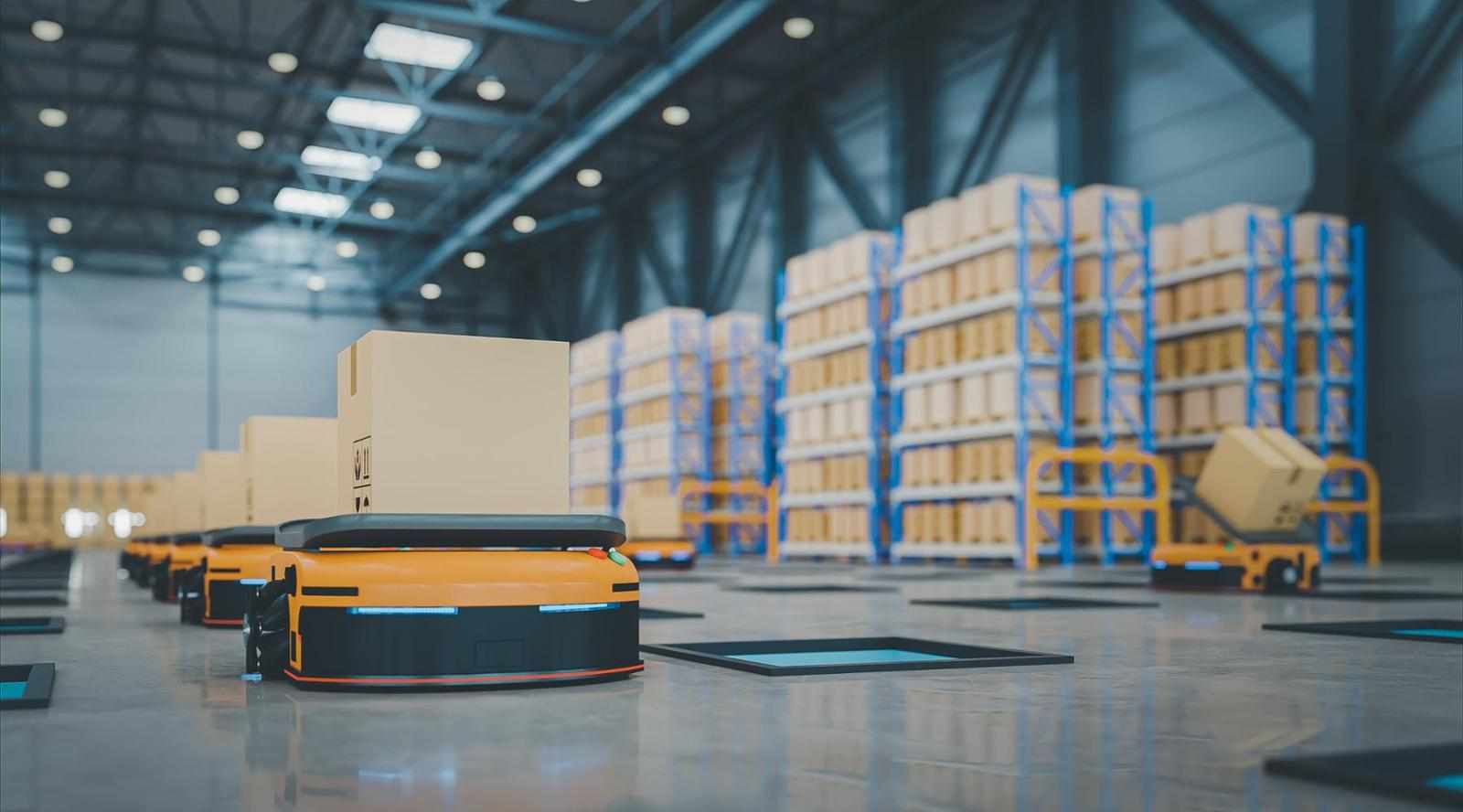
In January 2025, Amazon expanded its robotics-driven fulfillment centers in Thailand, deploying AI-powered AMRs to streamline order processing, as noted in industry analyses. Posts on X in July 2025 showcased Libiao Robotics’ mini yellow robots sorting thousands of items per hour in a Thai warehouse, reflecting the market’s focus on high-speed logistics to meet consumer demand for rapid delivery.
AI and Connectivity Advancements
Technological advancements in artificial intelligence (AI) and machine learning (ML) are transforming warehouse robotics in Thailand. AI-powered robots optimize picking routes, predict inventory needs, and adapt to dynamic environments. In January 2025, NVIDIA introduced AI development tools that enhance robots’ real-time decision-making, improving inventory management and operational efficiency in Thai warehouses.
The rollout of 5G networks is also critical, enabling seamless communication among robotic systems. A 2025 industry analysis noted that 5G’s low latency supports real-time coordination among AMRs and AGVs, reducing errors and downtime. Thailand’s advanced telecommunications infrastructure, supported by government investments, is fostering a conducive environment for robotics adoption, as highlighted in a 2024 Statista report.
Labor Cost Pressures and Safety Concerns
Rising labor costs, driven by Thailand’s new minimum wage structure approved in January 2025, are accelerating robotics adoption. The Ministry of Labour’s wage adjustments have prompted businesses to invest in automation to maintain profitability, as noted in a 2025 NextMSC report. Robotics reduces reliance on manual labor for repetitive tasks like picking, sorting, and transportation, addressing workforce shortages.
Safety concerns are also driving adoption, as robots handle hazardous tasks to reduce workplace injuries. In September 2022, Honeywell introduced a smart flexible depalletizer using AI to simplify robotic tasks, enhancing safety in Thai warehouses. Cobots, such as Universal Robots’ UR30 launched in 2024, are gaining popularity for their ability to work safely alongside humans, supporting tasks like palletizing and material handling.
Government Support and Industry 4.0
Thailand’s government is a major driver through policies promoting Industry 4.0 and automation. The Ministry of Industry’s focus on target industries, including robotics and automation, is accelerating adoption in logistics, as noted in a 2024 Assembly Tech Expo report. The Thailand 4.0 initiative encourages digital transformation, with subsidies and tax incentives supporting robotics investments in warehousing.
Bangkok and Chonburi are emerging as key hubs for robotics innovation, with the Eastern Economic Corridor (EEC) fostering R&D in automation technologies. These initiatives position Thailand as a leader in Southeast Asia’s robotics market, as highlighted in a 2025 Reportlinker report.
Regional and Industry Dynamics
Thailand is a key player in the Asia-Pacific warehouse robotics market, driven by its strategic location and strong manufacturing sector. The automotive and electronics industries, led by companies like Toyota and Western Digital, are major adopters, using robotics for efficient inventory management. The food and beverage sector is also embracing automation for cold-chain logistics, as noted in a 2025 Data Bridge Market Research report.
The rise of e-commerce platforms like Lazada and Shopee is fueling demand for robotics in retail logistics. Government support for 11 specialized robotics regions, as noted in a 2025 Reportlinker report, enhances Thailand’s position as a hub for automation innovation in the region.
Challenges in Adoption
High initial costs and integration complexities remain significant barriers, particularly for SMEs, which dominate Thailand’s logistics sector. A 2025 NextMSC report highlighted that purchasing and deploying robotic systems, along with ongoing maintenance and software updates, can deter smaller businesses.
Cybersecurity risks are another concern, as connected robotic systems are vulnerable to data breaches. Ensuring robust security measures is critical, as noted in a 2025 industry analysis. Workforce resistance due to fears of job displacement and a shortage of skilled workers to manage robotics systems also pose challenges, requiring investment in training programs.
Competitive Landscape and Strategic Moves
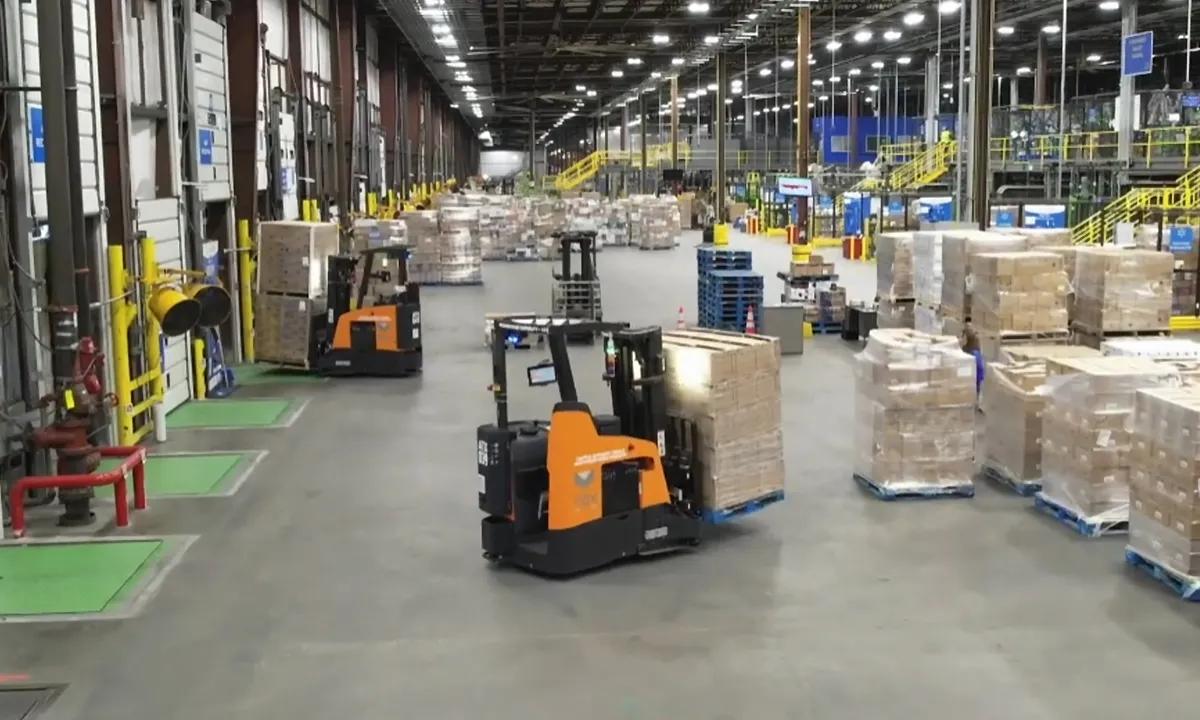
The market is competitive, with global players like ABB, KUKA, Fanuc, and Honeywell leading innovation. In January 2024, Honeywell partnered with Hai Robotics to deliver high-density storage solutions, enhancing warehouse efficiency in Thailand. Local companies like SIASUN Robot & Automation, with subsidiaries in Thailand, are also driving innovation, focusing on mobile robots and logistics automation.
In January 2025, KUKA unveiled the KMP 3000P AMR, designed for heavy payloads, improving flexibility in Thai warehouses. Startups like InVia Robotics are offering scalable solutions like Robots-as-a-Service (RaaS), making automation accessible to smaller businesses, as noted in a 2025 Mordor Intelligence report.
Sustainability and Consumer Trends
Sustainability is a growing focus, with robotics designed using eco-friendly materials and energy-efficient systems. Digital twin technology, adopted by companies like Robotnik, enables virtual testing to reduce waste, aligning with Thailand’s environmental goals. Consumer demand for rapid delivery and product variety is driving robotics adoption, with warehouses scaling up to manage diverse SKUs, as noted in a 2025 MCF Corporate Finance report.
Future Opportunities
The market offers opportunities in micro-fulfillment centers and last-mile delivery, with humanoid robots projected to gain traction by 2027. Emerging sectors like healthcare logistics present growth potential for robotics in managing sensitive inventory. Government incentives for automation report will continue to support market expansion.
Conclusion
Thailand’s warehouse robotics market is booming in 2025, driven by e-commerce growth, rising labor costs, and government-backed Industry 4.0 initiatives. Advancements in AI, 5G, and sustainability are enhancing efficiency, while strategic partnerships and innovations like RaaS are making automation accessible. Despite challenges like high costs, cybersecurity risks, and skill gaps, Thailand’s strategic location and robust policies position it as a leader in Southeast Asia’s automation landscape. As consumer demands and sustainability goals intensify, robotics will continue to transform Thailand’s warehouses, ensuring efficiency and competitiveness.








Write a comment ...