
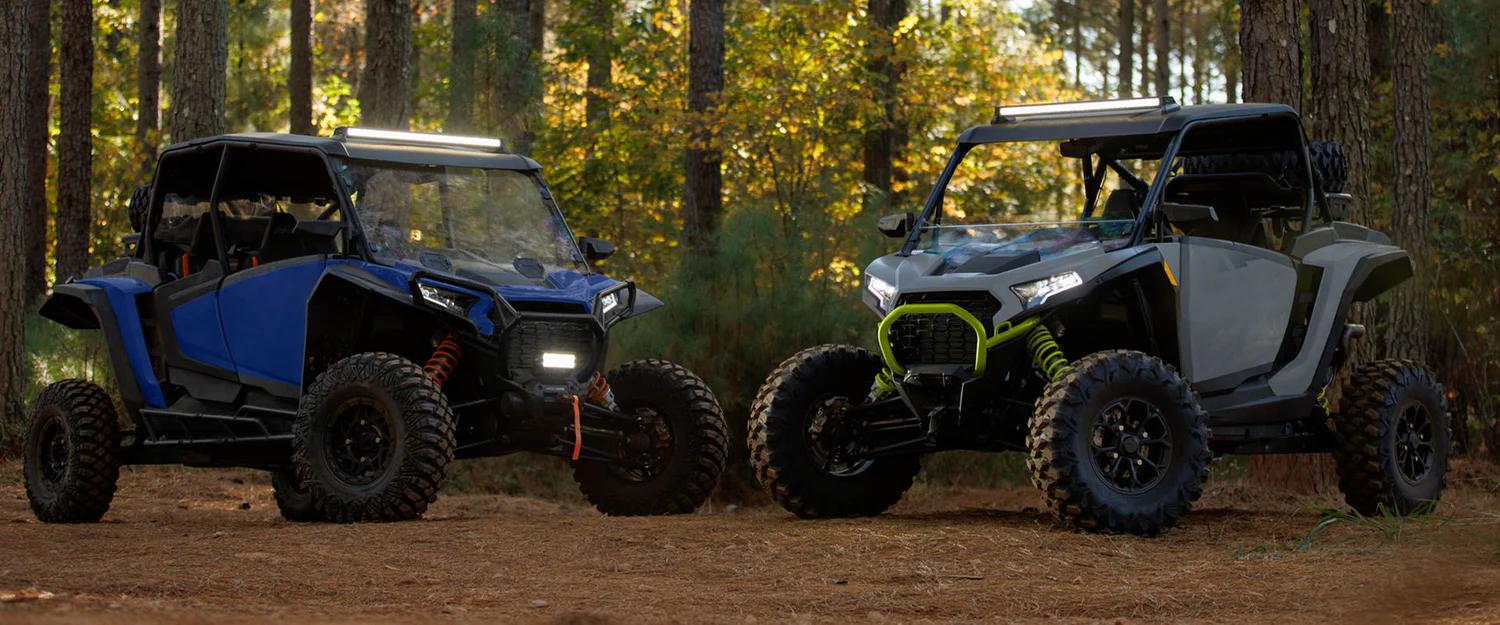
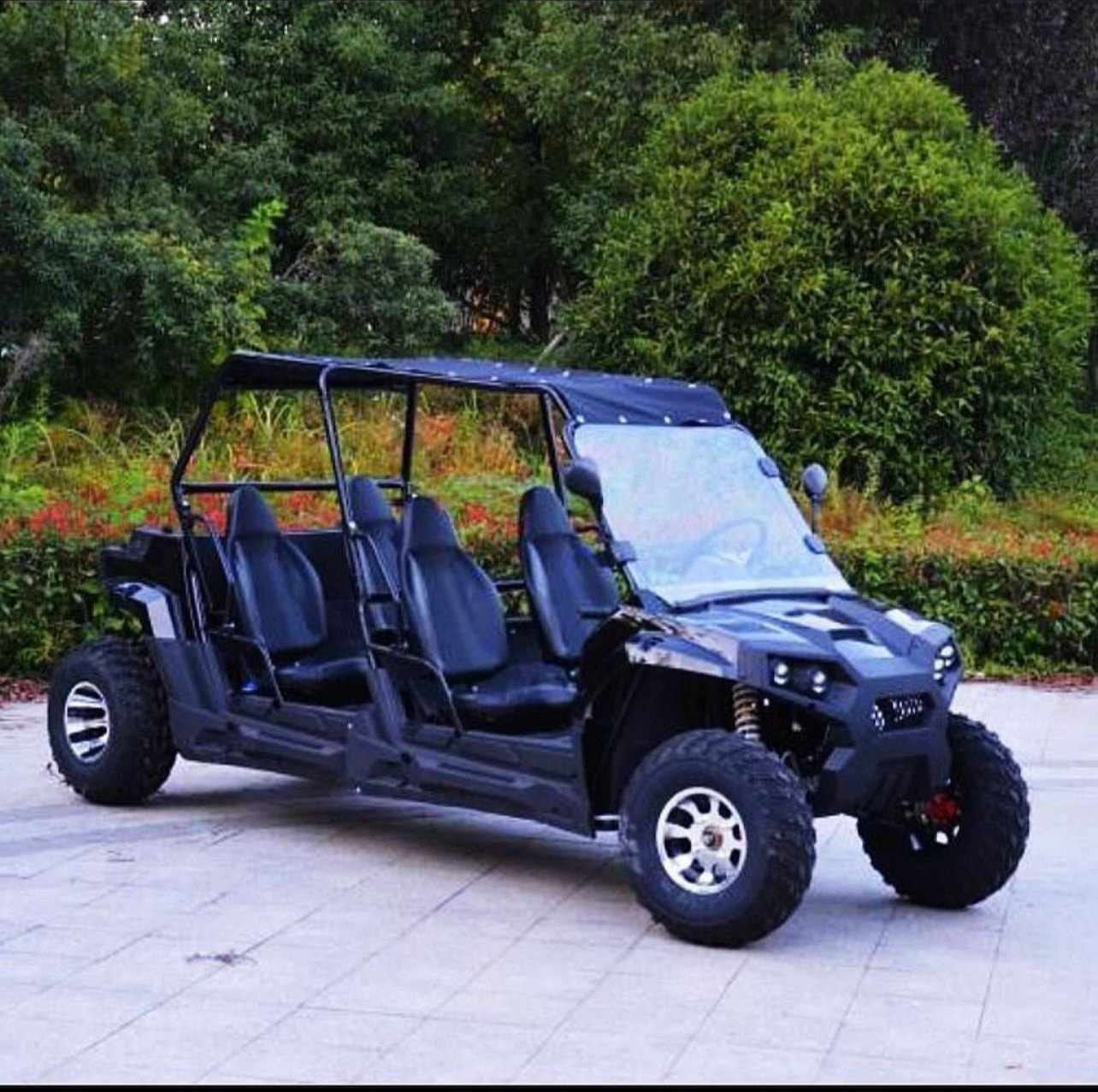
The Canada 4WD UTV Market size is predicted to reach USD 560.3 million by 2030, at a CAGR of 5.0% from 2025 to 2030. Canada’s four-wheel-drive (4WD) Utility Task Vehicle (UTV) market is experiencing robust growth in 2025, driven by the rising popularity of electric UTVs, strong demand in outdoor recreation, and applications in agriculture and municipal services. Despite challenges such as U.S. tariffs and a slowdown in electric vehicle (EV) demand, the market is thriving, supported by Canada’s vast landscapes and government incentives for sustainable mobility. This article explores the latest trends in Canada’s 4WD UTV market, drawing from recent industry developments, while addressing economic and supply chain challenges.
Download FREE Sample: https://www.nextmsc.com/canada-4wd-utv-market-3249/request-sample
Electrification and Government Incentives
Canada’s push for sustainable mobility is a key driver of the 4WD UTV market, with electric UTVs gaining traction amid the country’s broader EV adoption. In the first half of 2025, Canada’s EV market surged, with sales increasing significantly, supported by government incentives like tax credits and rebates for zero-emission vehicles. These policies are encouraging the adoption of electric UTVs in sectors such as agriculture, tourism, and public utilities, where their eco-friendly nature aligns with Canada’s environmental goals.
However, the slowdown in EV demand, noted in recent reports, and limited charging infrastructure in rural areas pose challenges, particularly in regions like Northern Ontario and the Prairies. Manufacturers are addressing these by developing electric UTVs with extended battery ranges and collaborating with provincial governments to expand charging networks, especially in rural and remote areas. The rise of low-speed electric UTVs, used in resorts and tourist destinations, is also supporting market growth.
Outdoor Recreation and Tourism
Canada’s vast wilderness and thriving outdoor recreation industry, particularly in provinces like British Columbia and Alberta, are major drivers of 4WD UTV demand. These vehicles are popular for off-road adventures, hunting, and tourism activities, offering rugged performance in diverse terrains like forests, mountains, and snow-covered trails. Recent market trends highlight the growing use of UTVs in recreational applications, with low-speed electric models gaining popularity in eco-tourism for their reduced environmental impact.
The tourism sector’s demand for UTVs is strong in regions like the Rockies and Atlantic Canada, where they are used for guided tours and resort maintenance. However, high initial costs and limited charging infrastructure in remote areas are barriers. Manufacturers are responding by offering rental services and developing solar-powered UTVs for off-grid operations, enhancing accessibility for tourism operators.
Agricultural and Municipal Applications
Canada’s agricultural sector, particularly in provinces like Saskatchewan and Manitoba, is a significant driver of 4WD UTV demand. These vehicles are used for tasks like transporting crops, equipment, and livestock, offering a compact and versatile alternative to traditional tractors. Their off-road capabilities are ideal for Canada’s varied agricultural landscapes, from flat prairies to hilly regions.
In municipal services, 4WD UTVs are employed for snow clearing, park maintenance, and utility tasks, especially in Canada’s harsh winter conditions. The integration of smart connectivity features, such as GPS and real-time diagnostics, is enhancing efficiency in these applications. However, resistance from traditional sectors and the high cost of advanced UTVs remain challenges, requiring education efforts to promote their benefits.
Economic Challenges and Tariff Impacts
Canada’s automotive market saw a modest increase in new vehicle sales in the first half of 2025, despite a decline in vehicle imports due to U.S. tariffs introduced in 2025 on components like steel, aluminum, and microcontrollers. These tariffs have increased production costs for 4WD UTVs, impacting affordability. The slowdown in EV demand, driven by tariff-related cost increases and consumer caution, is also affecting the market, with some automakers reporting concerns about Canada’s EV mandate.
Despite these challenges, the 4WD UTV market remains resilient in commercial and recreational applications, where demand is less sensitive to economic fluctuations. Manufacturers are leveraging Canada’s export markets, particularly to the U.S. and Europe, to offset domestic pressures, supported by trade agreements and growing global demand for utility vehicles.
Inquire Before Buying: https://www.nextmsc.com/canada-4wd-utv-market-3249/inquire-before-buying
Supply Chain Disruptions
The 4WD UTV market faces supply chain challenges, exacerbated by U.S. tariffs on key components like microcontroller units and sensors. Semiconductor shortages, a lingering issue from 2024, continue to disrupt the production of advanced UTV models with smart features. Manufacturers are mitigating these challenges by sourcing components from domestic suppliers or alternative regions like Asia-Pacific and investing in local production to reduce reliance on imports.
The complexity of integrating smart features into UTVs also requires precise manufacturing processes, which can be affected by supply chain constraints. Modular designs are being developed to simplify maintenance and improve supply chain resilience, particularly for electric UTVs.
Competitive Landscape and Innovations
The Canadian 4WD UTV market is competitive, with global players like Polaris, John Deere, and BRP leading alongside emerging domestic manufacturers. Recent innovations include electric UTVs with AI-driven terrain adaptation and advanced suspension systems, enhancing performance in Canada’s rugged terrains. The integration of smart connectivity, such as IoT-enabled diagnostics, is improving operational efficiency in agricultural and municipal applications.
Domestic manufacturers are gaining traction by offering cost-competitive models tailored to Canada’s environmental regulations and terrain challenges. Strategic partnerships between OEMs and technology firms are driving innovation, with a focus on autonomous features and energy-efficient designs, critical for meeting diverse sector needs.
Regional and Global Context
Western Canada, particularly British Columbia and Alberta, leads in recreational UTV demand due to its outdoor tourism and rugged landscapes. Central Canada, including Ontario and Quebec, drives growth through agricultural and industrial applications, while Atlantic Canada sees potential in tourism and municipal uses. Canada’s role as a key exporter of utility vehicles, particularly to the U.S., enhances its global market position.
Conclusion
Canada’s 4WD UTV market is thriving, driven by electrification, outdoor recreation, and agricultural applications, despite challenges from U.S. tariffs and a slowdown in EV demand. Government incentives and innovations in battery technology are fostering growth, while supply chain disruptions pose obstacles. With Western and Central Canada leading domestic demand and strong export potential, the market is poised for expansion. Continued investment in charging infrastructure and sustainable technologies will ensure 4WD UTVs remain a vital part of Canada’s eco-friendly mobility landscape.















Write a comment ...