
The South Korea Warehouse Robotics Market size is predicted to reach USD 852.3 million by 2030, at a CAGR of 14.7% from 2025 to 2030. South Korea’s warehouse robotics market is experiencing unprecedented growth in 2025, propelled by its advanced technological infrastructure, booming e-commerce sector, and government-backed initiatives. As a global leader in robotics and automation, South Korea is leveraging autonomous mobile robots (AMRs), automated guided vehicles (AGVs), and collaborative robots (cobots) to transform warehouse operations. This article explores the latest trends, innovations, and challenges shaping the market, drawing on recent industry developments.
E-Commerce Surge Drives Automation
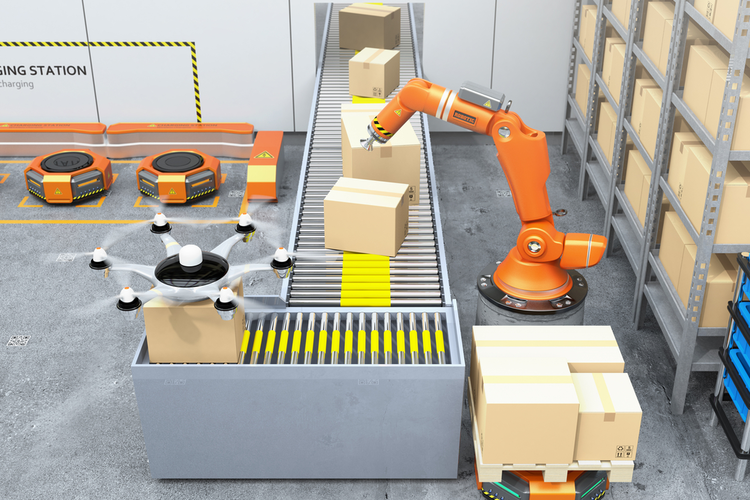
The rapid expansion of e-commerce is a key driver of South Korea’s warehouse robotics market. With high internet penetration and a tech-savvy population, South Korea’s online retail sector is thriving, increasing the demand for efficient logistics. A 2025 report highlighted the country’s e-commerce growth, with companies like Coupang and Naver investing heavily in automation to meet consumer expectations for fast delivery. Micro-fulfillment centers in urban hubs like Seoul and Busan are adopting AMRs to handle high order volumes efficiently.
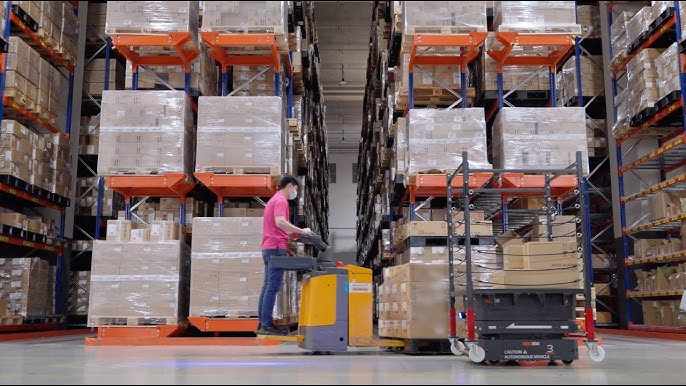
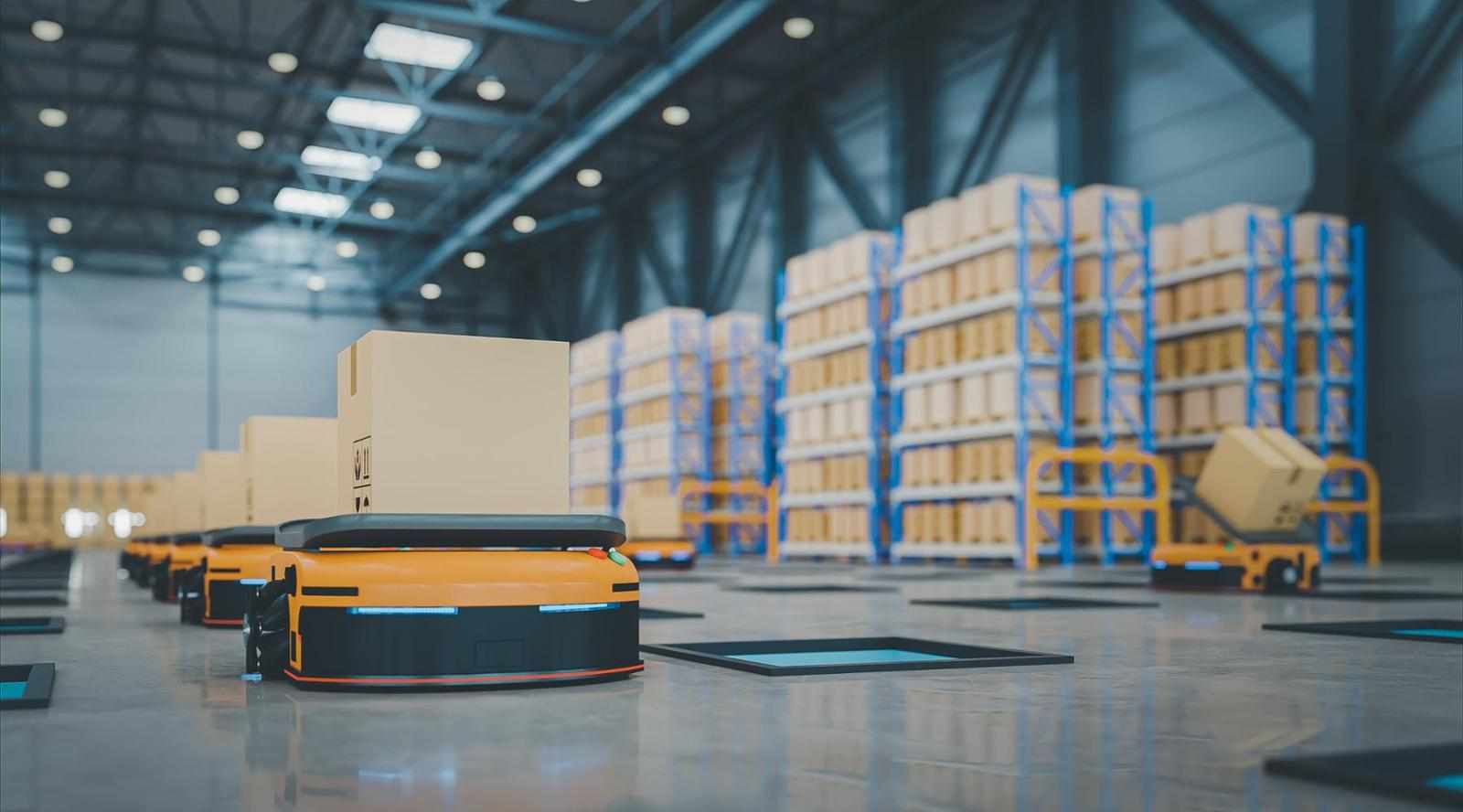
In January 2025, Amazon expanded its robotics-driven fulfillment centers in South Korea, deploying advanced AMRs to enhance order processing speed and accuracy. This aligns with the broader trend of e-commerce giants integrating robotics to streamline operations, as noted in a 2025 GM Insights report. Posts on X in July 2025 showcased Libiao Robotics’ mini yellow robots sorting thousands of items per hour in a South Korean warehouse, highlighting the market’s focus on high-volume logistics.
Technological Innovations and AI Integration
South Korea’s leadership in artificial intelligence (AI) and machine learning (ML) is transforming warehouse robotics. AI-powered robots optimize picking routes, predict inventory needs, and adapt to dynamic environments. In January 2025, NVIDIA introduced AI development tools that enhance autonomous robots’ capabilities, enabling real-time decision-making and improved inventory management in South Korean warehouses. These advancements are critical for managing complex logistics in the country’s high-tech facilities.
The rollout of 5G networks further supports the market by enabling seamless communication between robotic systems. A 2025 industry analysis emphasized that 5G’s low latency enhances coordination among AMRs and AGVs, reducing errors and downtime. South Korea’s advanced telecommunications infrastructure, coupled with its focus on Industry 4.0, positions it as a leader in robotics innovation, as noted in a 2024 Statista report.
Addressing Labor Shortages and Safety
South Korea’s low birth rate and aging population are driving labor shortages, accelerating robotics adoption in warehousing. A 2024 report by the International Federation of Robotics highlighted South Korea’s high robot density, with the country leading globally in robots per manufacturing worker. This trend extends to logistics, where robots address workforce gaps by automating repetitive tasks like picking, sorting, and transportation.
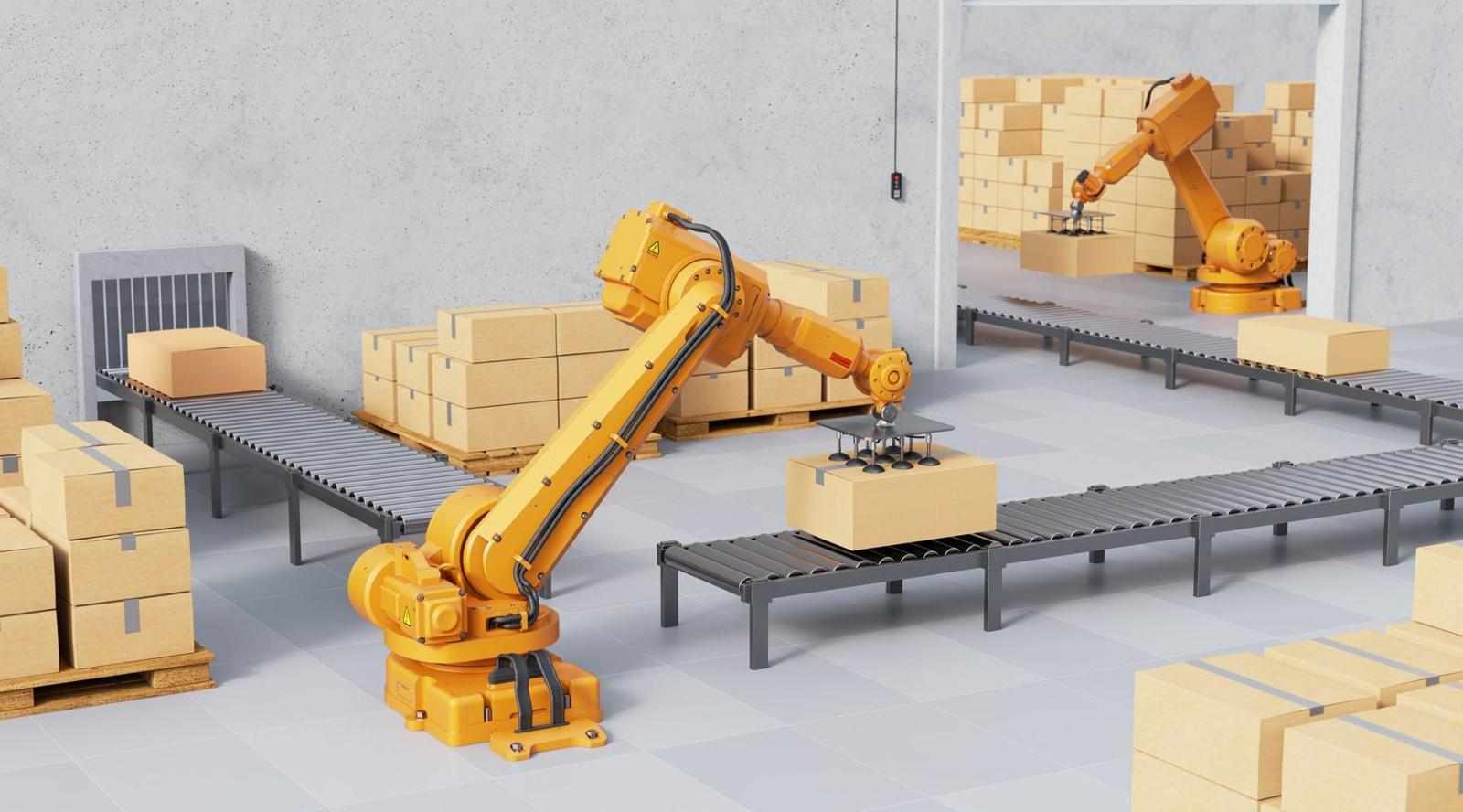
Collaborative robots (cobots) are particularly popular, especially in SMEs. In September 2022, Hyundai Robotics introduced cobots for pick-and-place tasks, enhancing flexibility and safety in warehouses. These cobots, equipped with advanced sensors, work alongside human employees, reducing physical strain and improving workplace safety, as noted in a 2025 NextMSC report. The high industrial accident rate in South Korea, reported by the National Library of Medicine in 2023, further fuels demand for robots to handle hazardous tasks.
Government Support and Industry 4.0
South Korea’s government is a major catalyst for the warehouse robotics market through initiatives like the Fourth Intelligent Robot Basic Plan (2024-2028), announced in January 2024. This plan aims to boost local production of robot parts and deploy one million robots across various sectors by 2030. Government subsidies and tax incentives, part of the Korean New Deal, are driving automation adoption in logistics, as noted in a 2024 Straits Research report.
The country’s focus on Industry 4.0 fosters innovation in cities like Seoul, Busan, and Ulsan. Seoul, a hub for technology companies like Samsung and LG, is advancing robotics R&D, while Busan’s port drives logistics automation. Ulsan, home to Hyundai’s automotive manufacturing, leverages robotics for efficient warehousing, supporting South Korea’s export-driven economy.
Regional and Industry Dynamics
South Korea is a leader in the Asia-Pacific warehouse robotics market, alongside China and Japan. The automotive and electronics sectors, driven by companies like Hyundai, Kia, and Samsung, are major adopters, using robotics for parts handling and inventory management. The food and beverage industry is also embracing automation to meet cold-chain logistics demands, as highlighted in a 2025 Data Bridge Market Research report.
The rise of micro-fulfillment centers in urban areas is fueling demand for compact robotic systems. Government support for 11 specialized robotics regions, as noted in a 2025 Reportlinker report, further enhances South Korea’s position as a global robotics hub.
Challenges in Adoption
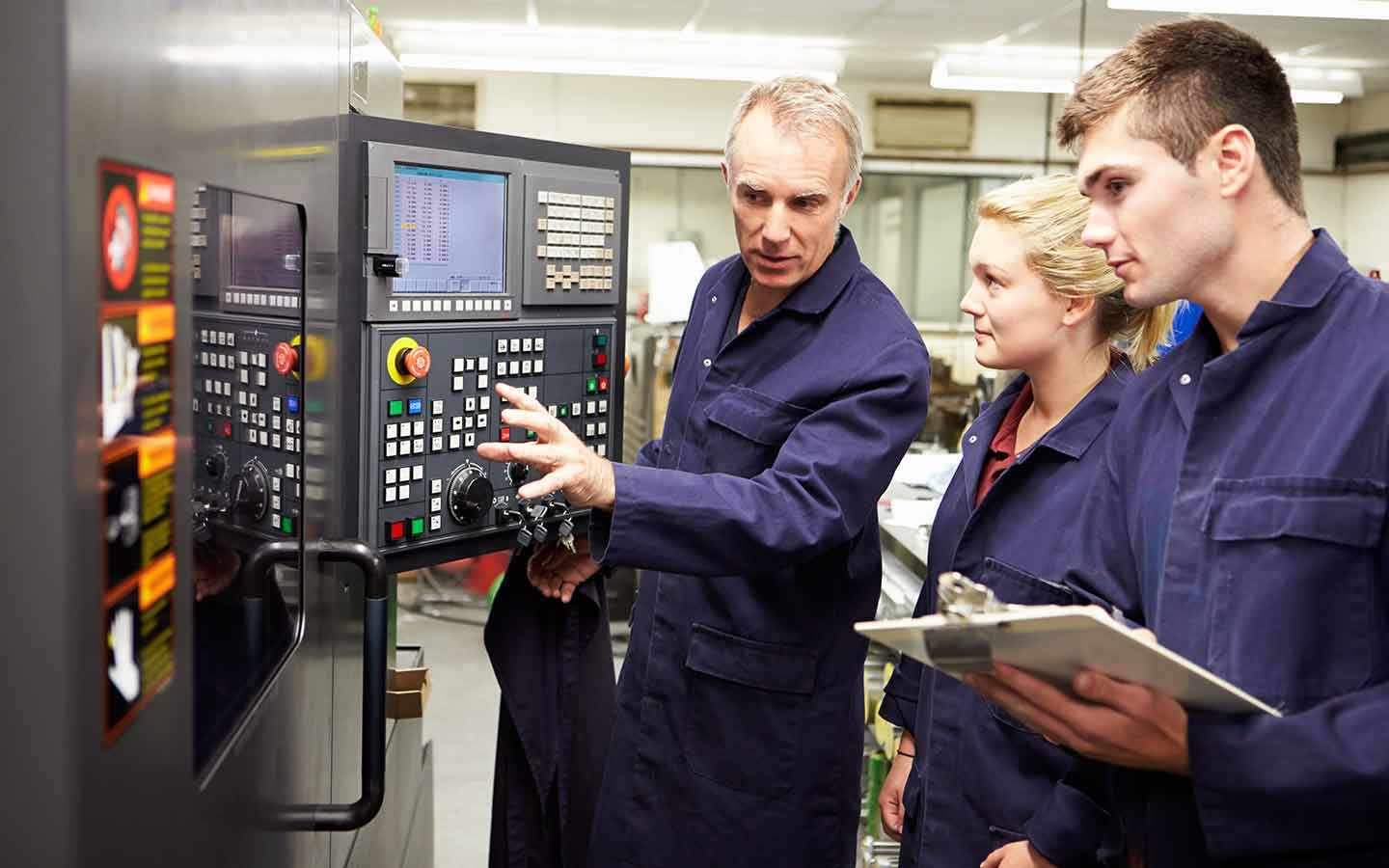
High initial costs and complex system integration remain barriers, particularly for SMEs. A 2025 NextMSC report noted that the costs of deploying and maintaining robotic systems can deter smaller businesses. Additionally, a shortage of skilled workers to manage advanced robotics systems slows adoption, as highlighted in a 2025 NextMSC report.
Cybersecurity risks are another concern, as connected robotic systems are vulnerable to data breaches. Ensuring robust security measures is critical, as noted in a 2025 industry analysis. Resistance from workers fearing job displacement also poses a challenge, requiring companies to invest in retraining programs.
Competitive Landscape and Strategic Moves
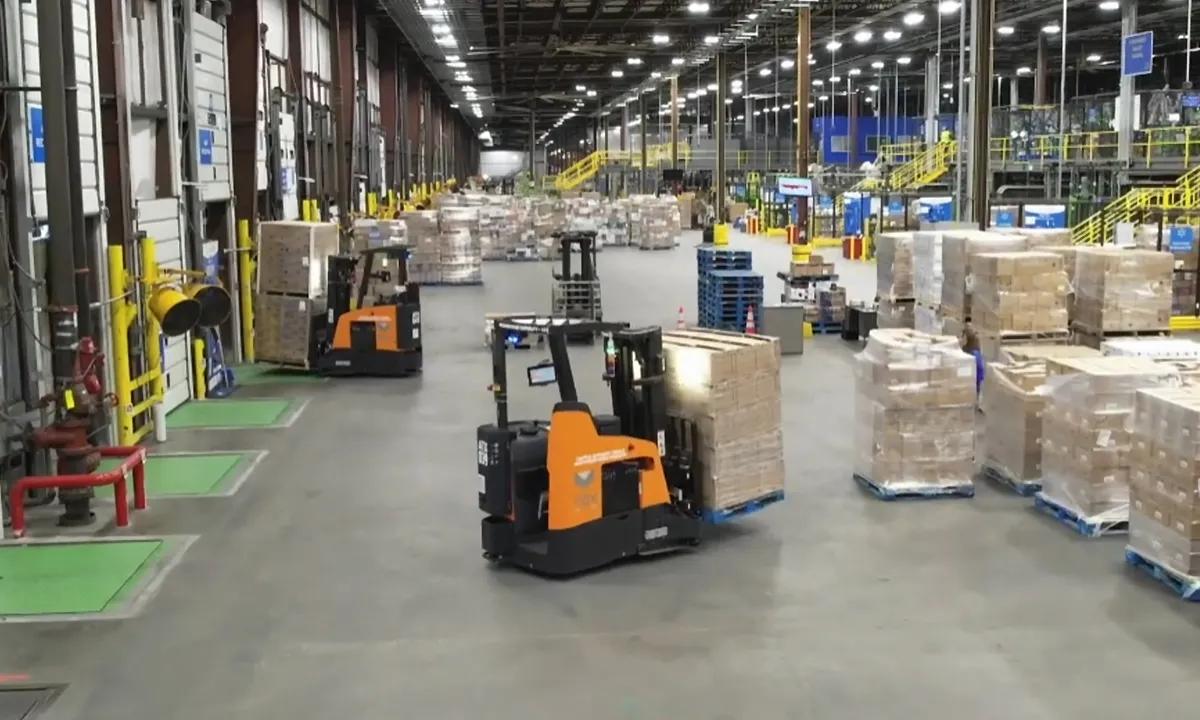
The market is highly competitive, with global players like ABB, KUKA, Fanuc, and Hyundai Robotics leading innovation. In January 2025, KUKA unveiled the KMP 3000P AMR, designed for heavy payloads, enhancing warehouse efficiency. Local companies like LG CNS and Hyundai Robotics are also advancing AI-driven logistics solutions, as noted in a 2025 GM Insights report.
Strategic partnerships, such as Honeywell’s collaboration with Hai Robotics in January 2024, are driving innovation by combining advanced robotics with warehouse execution software. These efforts, supported by South Korea’s robust R&D ecosystem, are enhancing market growth.
Future Opportunities
The market offers opportunities in micro-fulfillment centers and last-mile delivery, with humanoid robots projected to gain traction by 2027. Emerging sectors like healthcare logistics present growth potential for robotics in managing sensitive inventory. Government incentives, as noted in a 2024 report, will continue to support market expansion.
Conclusion
South Korea’s warehouse robotics market is thriving in 2025, driven by e-commerce growth, labor shortages, and advancements in AI and 5G connectivity. Government support and a focus on Industry 4.0 position the country as a global leader in automation. Despite challenges like high costs, skill gaps, and cybersecurity risks, strategic partnerships and innovations are propelling the market forward. As consumer demands and sustainability goals intensify, robotics will continue to transform South Korea’s logistics sector, ensuring efficiency and global competitiveness.








Write a comment ...