
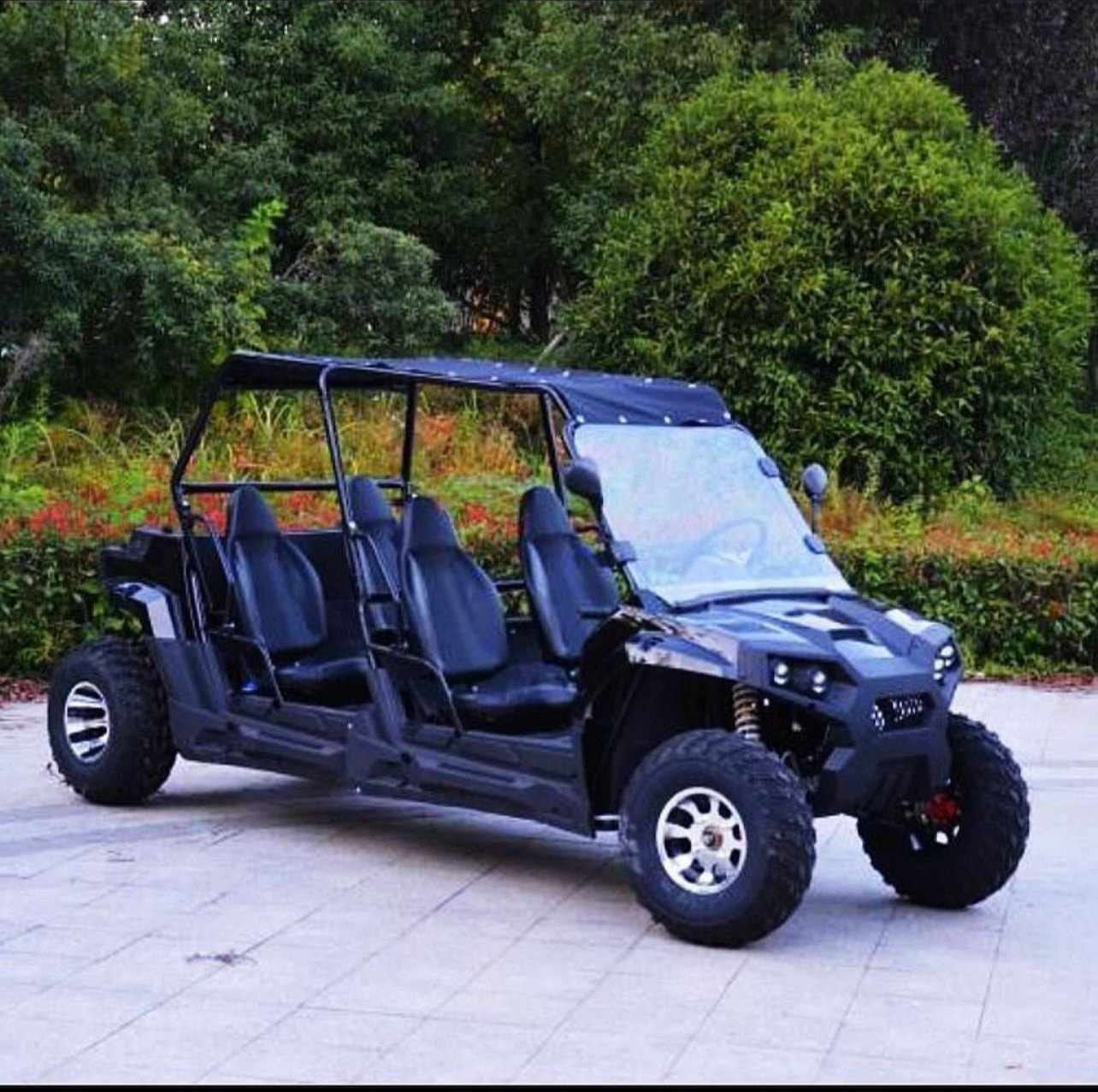
The Finland 4WD UTV Market size is predicted to reach USD 74.2 million by 2030, at a CAGR of 7.9% from 2025 to 2030. The four-wheel-drive (4WD) Utility Task Vehicle (UTV) market in Finland is gaining traction, driven by the country’s harsh winter conditions, growing demand for sustainable mobility, and expanding applications in tourism, agriculture, and municipal services. Despite a challenging automotive market, with new car registrations declining in 2025, 4WD UTVs are finding opportunities in electrification and specialized uses. This article explores the latest trends in Finland’s 4WD UTV market, drawing from recent industry developments and regional economic insights, while addressing challenges like supply chain disruptions and an aging vehicle fleet.
Electrification and Sustainable Mobility
Finland’s commitment to reducing greenhouse gas emissions is a key driver of the 4WD UTV market, with electric UTVs gaining prominence amid the country’s strong electric vehicle (EV) adoption. Recent data indicates that battery electric vehicles (BEVs) are a growing segment in Finland, despite a 45% drop in Tesla’s registrations in the first half of 2025. The government’s push for zero-emission vehicles, supported by incentives like tax exemptions, is encouraging the adoption of electric UTVs in sectors like tourism and public utilities.
Electric UTVs, such as those used in low-speed applications, are ideal for Finland’s snowy and rural environments, offering eco-friendly alternatives for tasks like snow clearing and resort maintenance. However, limited charging infrastructure in remote areas and concerns about battery performance in extreme cold pose challenges. Manufacturers are addressing these by developing UTVs with enhanced battery durability and collaborating with local governments to expand charging networks, particularly in northern Finland.
Winter Tourism and Recreational Demand
Finland’s thriving winter tourism industry, centered in regions like Lapland, is a major driver of 4WD UTV demand. The global snowmobile market’s growth, fueled by increased snowfall and winter tourism, highlights the potential for UTVs in similar applications. 4WD UTVs are increasingly used for off-road tours, offering tourists a sustainable way to explore Finland’s Arctic landscapes. Their versatility makes them ideal for transporting guests and equipment in resorts and national parks.
The rise of low-speed electric UTVs supports eco-tourism, aligning with Finland’s sustainability goals and appealing to environmentally conscious travelers. However, high initial costs and limited charging infrastructure in remote tourist areas are barriers. Manufacturers are responding by offering rental services and developing solar-powered UTVs for off-grid operations, making these vehicles more accessible to tourism operators.
Agricultural and Municipal Applications
Finland’s agricultural sector, though smaller than in other European countries, is driving demand for 4WD UTVs, particularly in rural areas with challenging terrains. These vehicles are used for tasks like transporting feed, fertilizers, and equipment, offering a compact and efficient alternative to traditional tractors. Their off-road capabilities are well-suited for Finland’s forested and hilly landscapes, enhancing productivity in small-scale farming.
In municipal services, 4WD UTVs are employed for snow clearing, road maintenance, and park management, particularly in northern Finland’s harsh winters. The integration of smart connectivity features, such as GPS and real-time diagnostics, is improving efficiency in these applications. However, resistance from traditional sectors and the high cost of advanced UTVs remain challenges, requiring awareness campaigns to promote their benefits.
Economic Challenges and Aging Vehicle Fleet
Finland’s automotive market is facing challenges, with new car registrations down 4.9% in the first half of 2025, despite a 10.1% increase in June. The country’s vehicle fleet, averaging 13.6 years old, is the oldest in the Nordic region, raising environmental and safety concerns due to higher emissions and outdated technology. This aging fleet limits consumer demand for high-cost vehicles like 4WD UTVs, particularly in the private sector.
Despite these challenges, the 4WD UTV market remains resilient in commercial and municipal applications, where demand is less sensitive to economic fluctuations. Manufacturers are focusing on cost-competitive models and leveraging export markets, particularly in Europe and North America, to offset domestic declines.
Supply Chain and Tariff Pressures
The 4WD UTV market faces supply chain disruptions, driven by U.S. tariffs introduced in 2025 on components like microcontroller units and sensors. These tariffs have increased production costs, prompting manufacturers to source components from Asia-Pacific and Europe. Semiconductor shortages, a lingering issue from 2024, continue to affect the availability of advanced UTV models with smart features.
Manufacturers are mitigating these challenges by investing in local production and developing modular UTV designs to simplify maintenance. Collaborative efforts with government agencies are also addressing supply chain bottlenecks, ensuring a steady supply of components for electric UTVs.
Competitive Landscape and Innovations
The Finnish 4WD UTV market is competitive, with global players like Polaris, John Deere, and JCB competing alongside emerging European manufacturers. Recent innovations include electric UTVs with advanced suspension systems and AI-driven terrain adaptation, enhancing performance in Finland’s rugged environments. The integration of smart connectivity, such as IoT-enabled diagnostics, is improving operational efficiency in agricultural and municipal applications.
European manufacturers are gaining traction by offering eco-friendly models that align with Finland’s environmental regulations. Strategic partnerships between OEMs and technology firms are driving innovation, with a focus on autonomous features and energy-efficient designs. These advancements are critical for meeting the needs of diverse sectors, from tourism to public utilities.
Regional and Global Context
Finland’s 4WD UTV market is part of a broader European trend, with countries like Sweden and Norway also seeing growth in utility vehicle demand. The region’s focus on sustainability and renewable energy supports the adoption of electric UTVs. Finland’s proximity to export markets in North America and Asia enhances its role as a supplier of utility vehicles, with stable demand driving growth.
Impact of Environmental Regulations
Finland’s stringent environmental regulations, aligned with the EU’s 55% greenhouse gas reduction target by 2030, are driving the adoption of electric UTVs. These vehicles support zero-emission goals in municipal and tourism applications, reducing noise and emissions in urban and rural areas. The EU’s Outdoor Noise Directive, limiting equipment noise, further encourages the use of electric UTVs in regulated environments.
Conclusion
Finland’s 4WD UTV market is poised for growth, driven by electrification, winter tourism, and applications in agriculture and municipal services. Despite economic challenges and an aging vehicle fleet, government incentives and innovations in battery technology are fostering adoption. Supply chain disruptions and tariff pressures pose obstacles, but manufacturers are addressing these through local production and modular designs. With Finland’s focus on sustainability and its strong tourism sector, the 4WD UTV market will play a key role in supporting eco-friendly mobility, with significant potential for domestic and export growth.


















Write a comment ...