
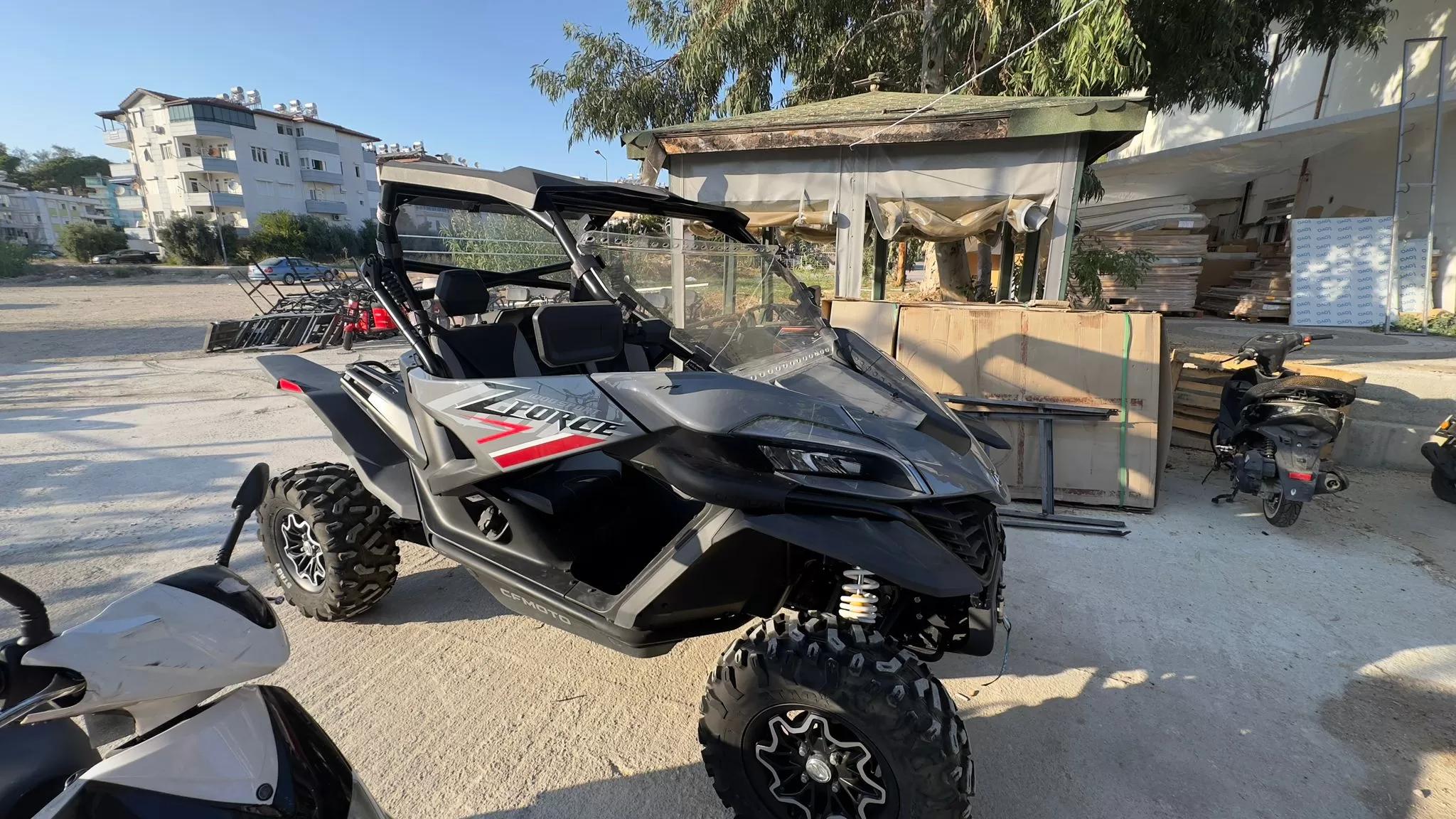
The Indonesia 4WD UTV Market size is predicted to reach USD 47.1 million by 2030, at a CAGR of 5.2% from 2025 to 2030. The four-wheel-drive (4WD) Utility Task Vehicle (UTV) market in Indonesia is gaining momentum, driven by the country’s diverse terrain, growing agricultural and industrial sectors, and a push for sustainable mobility solutions. Despite a challenging economic landscape, with vehicle sales declining in 2025, the 4WD UTV market is finding opportunities in electrification, export growth, and specialized applications. This article explores the latest trends in Indonesia’s 4WD UTV market, drawing from recent industry developments and regional dynamics, while addressing challenges like weak consumer demand and infrastructure limitations.
Electrification and Government Support
Indonesia’s focus on sustainable mobility is a key driver of the 4WD UTV market, with electric UTVs gaining traction amid the country’s ambitious electric vehicle (EV) goals. Government policies, such as tax incentives and investments in battery manufacturing, are supporting the adoption of electric UTVs in agriculture, tourism, and municipal services. The Denza D9, a top-selling battery electric vehicle (BEV) in Indonesia in 2025, reflects the growing popularity of electric models, though specific UTV models are not explicitly mentioned in recent sales data.
However, challenges like limited charging infrastructure in rural areas and concerns about battery durability in Indonesia’s tropical climate are slowing adoption. Manufacturers are addressing these by developing UTVs with enhanced battery systems and collaborating with local governments to expand charging networks. The growth of rental markets is also enabling businesses to test electric UTVs without significant upfront investment, particularly in tourism and agriculture.
Export Growth Amid Domestic Challenges
Despite a 23% decline in vehicle sales in June 2025, Indonesia is emerging as a hub for vehicle exports, including utility vehicles, with strong demand from markets like the Middle East and Latin America. The country’s strategic trade agreements, such as those with ASEAN nations, facilitate export growth, positioning Indonesia as a key supplier of 4WD UTVs. The Geely EX5, a pure electric SUV, has entered the Indonesian market, indicating potential for electric UTVs to follow suit in export strategies.
The domestic market, however, faces challenges due to weak consumer demand, with wholesale vehicle sales dropping to 57,760 units in June 2025, down 20.8% year-on-year. This decline, driven by reduced purchasing power, affects the broader vehicle market, including UTVs. To counter this, manufacturers are focusing on export markets and offering cost-competitive models, with Chinese brands like BYD and Chery gaining traction in the EV segment, potentially influencing the UTV market.
Agricultural and Industrial Applications
Indonesia’s agricultural sector, a cornerstone of its economy, is a significant driver of 4WD UTV demand. These vehicles are ideal for navigating the country’s diverse terrains, from rice paddies to hilly plantations, supporting tasks like transporting crops, fertilizers, and equipment. The compact design and off-road capabilities of 4WD UTVs make them a preferred choice over traditional tractors in smaller farms, enhancing efficiency and reducing physical strain.
In the industrial sector, UTVs are being used in mining and construction, where Indonesia’s rich mineral resources, particularly nickel, drive economic activity. Recent government efforts to boost oil and gas production, such as the exploration of the Bobara Block in Papua, highlight the need for versatile vehicles like UTVs in remote industrial sites. However, resistance from traditional sectors accustomed to conventional vehicles remains a barrier, requiring awareness campaigns to promote UTV benefits.
Tourism and Recreational Demand
Indonesia’s booming tourism industry, particularly in destinations like Bali and Yogyakarta, is driving demand for 4WD UTVs in recreational applications. These vehicles are popular for off-road tours, offering tourists a sustainable and adventurous way to explore rugged landscapes. Electric UTVs are gaining traction in eco-tourism, aligning with Indonesia’s environmental goals and appealing to environmentally conscious travelers. The growth of low-speed electric vehicles, including personal utility vehicles, supports this trend, with applications in tourist destinations and resorts.
However, the high initial cost of electric UTVs and limited charging infrastructure in remote tourist areas pose challenges. Manufacturers are addressing this by developing solar-powered UTVs for off-grid operations and expanding rental services to make these vehicles more accessible to tourism operators.
Supply Chain and Economic Challenges
The 4WD UTV market in Indonesia faces supply chain challenges, particularly due to semiconductor shortages that impacted the broader vehicle market in 2024. These disruptions, coupled with U.S. tariffs on key components, are increasing production costs for manufacturers, affecting the availability of advanced UTV models. Additionally, weak consumer sentiment, driven by a slowdown in GDP growth to 4.9% in Q1 2025, is limiting domestic demand for high-cost vehicles like UTVs.
To mitigate these challenges, manufacturers are shifting toward local sourcing of components and investing in domestic production facilities. Indonesia’s rich nickel reserves, essential for EV batteries, provide a strategic advantage, supporting local manufacturing of electric UTVs. Collaborative efforts between OEMs and government agencies are also critical to addressing supply chain bottlenecks.
Competitive Landscape and Innovations
The Indonesian 4WD UTV market is competitive, with global players like John Deere and JCB competing alongside emerging Chinese brands like BYD and Chery. Recent product launches focus on smart connectivity and advanced suspension systems to enhance performance on Indonesia’s diverse terrains. For example, the integration of real-time diagnostics in UTVs is improving operational efficiency in agricultural and industrial applications.
Chinese manufacturers are gaining market share by offering cost-competitive electric models, challenging established brands. The success of BYD in the EV segment, with a 773.1% sales increase in 2025, suggests potential for similar growth in electric UTVs. Manufacturers are also exploring modular designs to simplify maintenance and reduce costs, addressing the needs of price-sensitive consumers.
Regional and Global Context
Indonesia’s 4WD UTV market is part of a broader Southeast Asian trend, with countries like Thailand and Malaysia also seeing growth in utility vehicle demand. The region’s export markets, particularly in the Middle East and Latin America, are driving growth, with utility vehicles benefiting from stable demand. Indonesia’s proximity to these markets and its role in global supply chains enhance its position as a UTV manufacturing hub.
Conclusion
Indonesia’s 4WD UTV market is poised for growth, driven by electrification, export opportunities, and demand in agriculture, tourism, and industry. Despite challenges like weak domestic demand, supply chain disruptions, and limited charging infrastructure, innovations in battery technology and government support are fostering market expansion. As Indonesia leverages its natural resources and strategic trade position, the 4WD UTV market will play a key role in supporting sustainable mobility and economic development, with significant potential for growth in both domestic and export markets.














Write a comment ...