
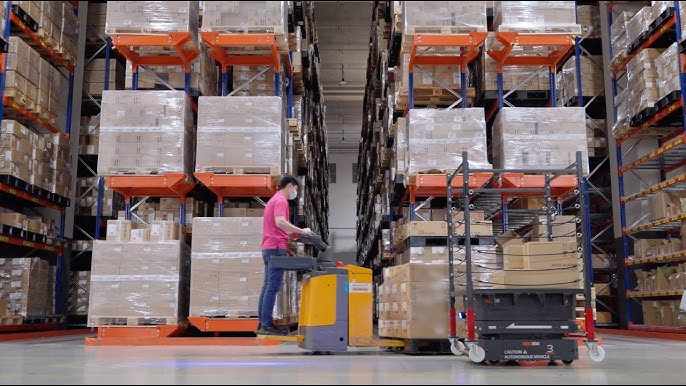
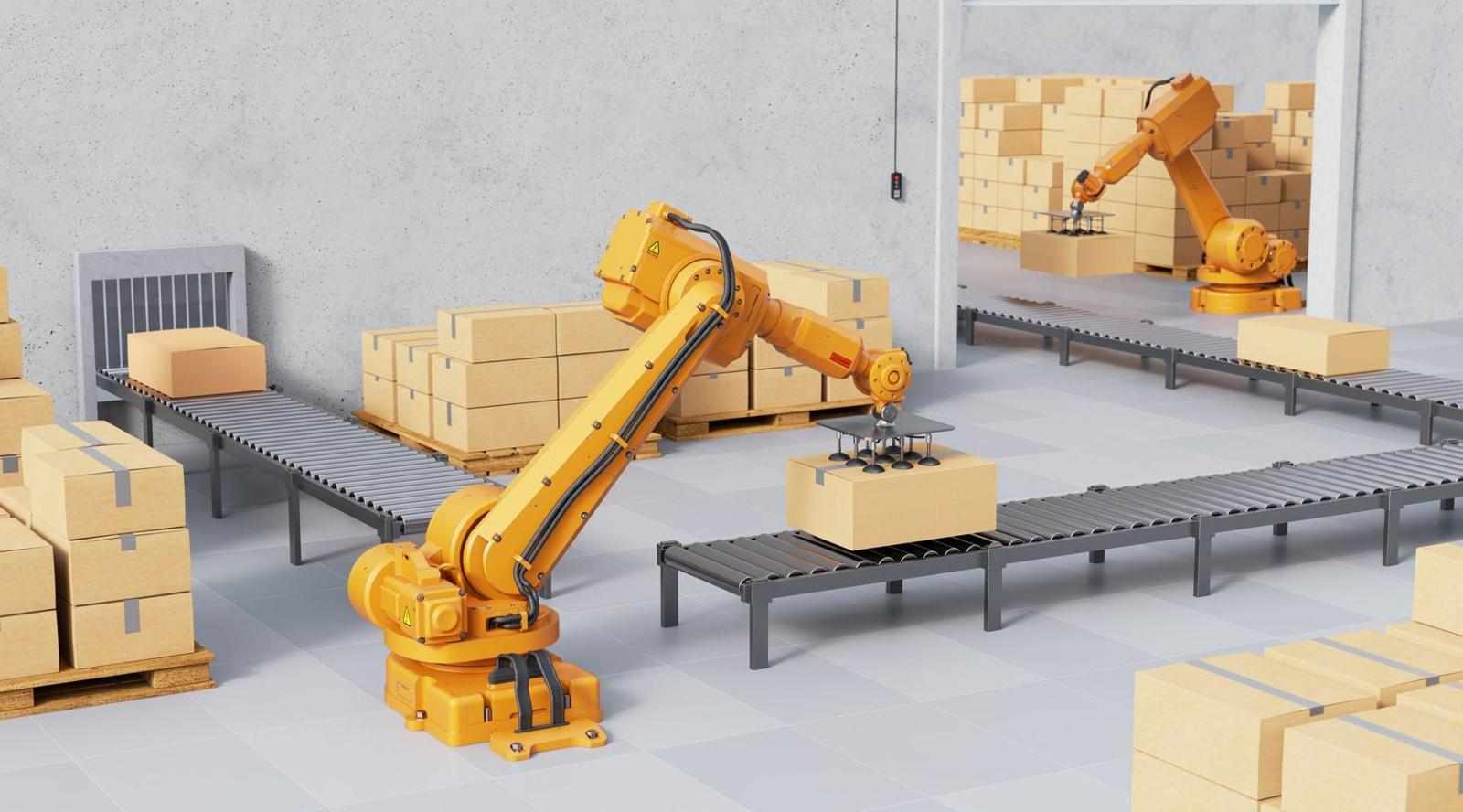
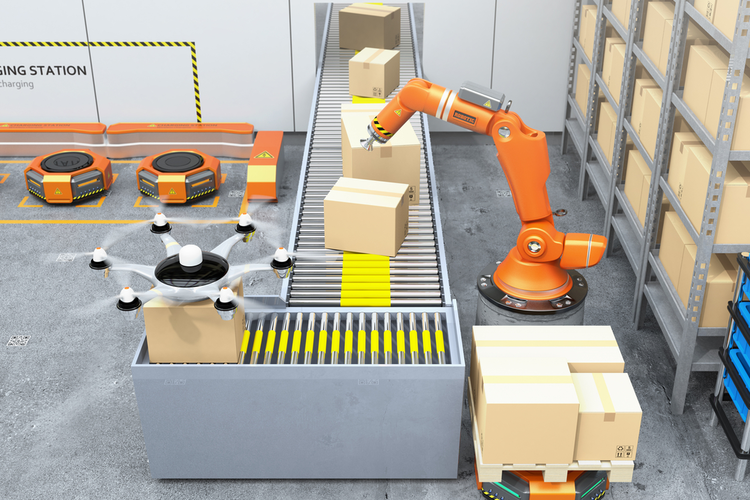
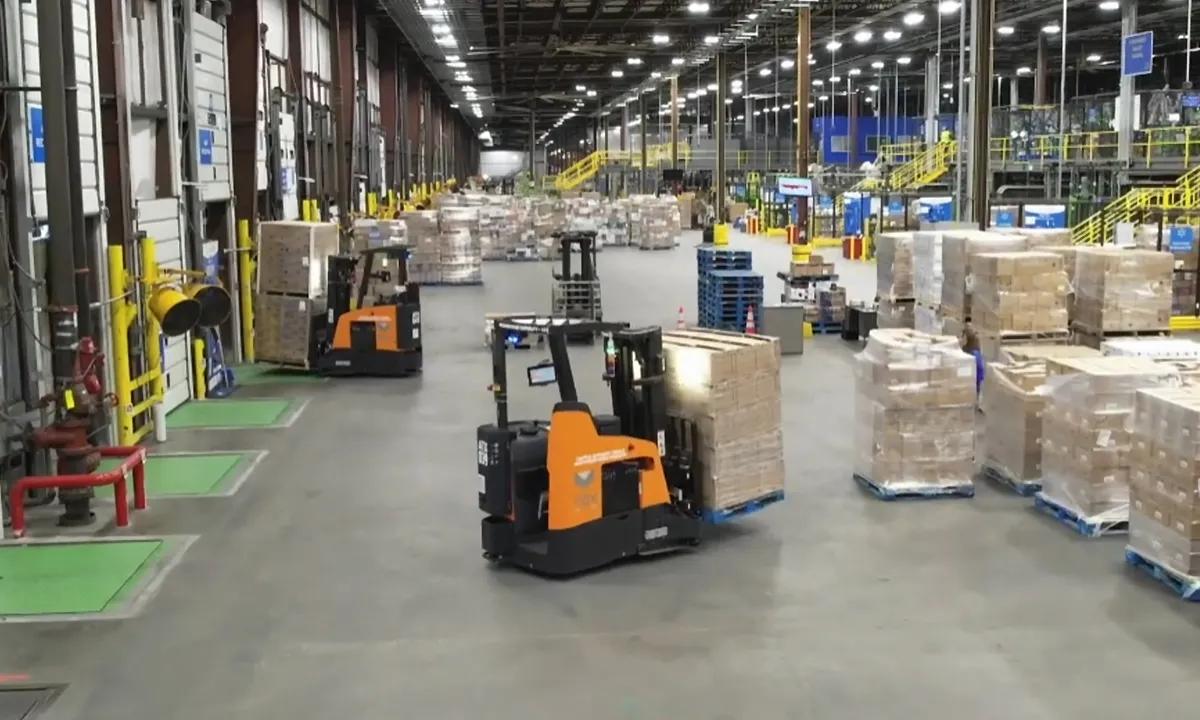
The Spain Warehouse Robotics Market size is predicted to reach USD 450.0 million by 2030, at a CAGR of 15.4% from 2025 to 2030. Spain’s warehouse robotics market is experiencing rapid growth in 2025, driven by the surge in e-commerce, technological advancements, and government support for automation. As a key player in Europe’s logistics sector, Spain is leveraging warehouse robotics, including autonomous mobile robots (AMRs), automated guided vehicles (AGVs), and collaborative robots (cobots), to enhance efficiency and address labor shortages. This article explores the latest trends, innovations, and challenges shaping the market, drawing on recent industry developments.
E-Commerce Growth Fuels Automation
The explosive growth of e-commerce is a major driver of Spain’s warehouse robotics market. With increasing consumer demand for rapid delivery, companies are adopting robotics to streamline order fulfillment. A 2025 report highlighted Spain’s thriving e-commerce sector, driven by high internet penetration and changing consumer behaviors, particularly in urban centers like Madrid and Barcelona. Micro-fulfillment centers are gaining traction, using AMRs to handle high order volumes efficiently.
In January 2025, Amazon expanded its robotics-driven fulfillment centers in Spain, deploying advanced AMRs to enhance order processing speed and accuracy, aligning with the global trend of e-commerce giants adopting automation to meet consumer expectations for same-day delivery. Posts on X in July 2025 highlighted Libiao Robotics’ mini yellow robots sorting 2,000 books per hour in a Spanish warehouse, showcasing the market’s focus on high-volume logistics.
Technological Advancements in AI and Connectivity
Advancements in artificial intelligence (AI) and machine learning (ML) are transforming warehouse robotics in Spain. AI-powered robots optimize picking routes, predict inventory needs, and adapt to dynamic environments. In January 2025, NVIDIA introduced AI development tools that enhance autonomous robots’ capabilities, enabling real-time decision-making and improved inventory management in Spanish warehouses.
The rollout of 5G networks is also critical, supporting seamless communication between robotic systems. A 2025 industry analysis noted that 5G’s low latency enables efficient coordination among AMRs and AGVs, reducing downtime and errors. This is particularly impactful in Spain’s high-tech logistics hubs, where precision and speed are essential for meeting e-commerce demands.
Addressing Labor Shortages
Spain’s aging population and labor shortages in logistics are accelerating robotics adoption. With a declining workforce for manual tasks, companies are turning to automation to maintain productivity. A 2024 report by the International Federation of Robotics noted a surge in robot installations in Spain, particularly in warehousing, to address workforce gaps.
Collaborative robots (cobots) are gaining popularity, especially in small and medium-sized enterprises (SMEs). In December 2022, ABB introduced the SWIFT CRB 1300 cobot, designed for tasks like palletizing and pick-and-place, enhancing flexibility and safety in Spanish warehouses. These cobots, equipped with advanced sensors, work alongside humans, reducing physical strain and improving efficiency.
Sustainability and Industry 4.0
Sustainability is a key focus in Spain’s warehouse robotics market, aligning with the country’s environmental goals. Robots are designed with eco-friendly materials and energy-efficient systems to reduce carbon footprints. A 2025 Robotnik report highlighted the use of recyclable materials and optimized battery technologies in robotics, supporting green manufacturing practices in Spain.
The adoption of digital twin technology is also enhancing sustainability by enabling virtual testing of robotic systems, minimizing physical waste. This technology optimizes robot performance and predicts maintenance needs, as noted in a 2025 industry analysis. Spain’s focus on Industry 4.0, supported by government initiatives, further drives robotics adoption, positioning the country as a hub for automation innovation in Europe.
Regional and Industry Dynamics
Spain is a significant player in the European warehouse robotics market, alongside Germany and France. The automotive and electronics sectors, key pillars of Spain’s economy, are major adopters, using robotics for parts handling and inventory management. A 2025 report noted strong growth in Spain’s automotive industry, with robot installations increasing by 31% in 2023, driven by companies like Volkswagen.
The retail and food and beverage sectors are also embracing robotics to meet e-commerce and cold-chain logistics demands. The rise of temperature-sensitive goods, such as pharmaceuticals and fresh food, has driven the need for specialized robotic systems in cold storage warehouses, as highlighted in a 2025 Markets and Data report.
Challenges in Adoption
High initial costs and complex system integration remain barriers, particularly for SMEs, which dominate Spain’s logistics sector. A 2025 report noted that the costs of purchasing, deploying, and maintaining robotic systems can deter smaller businesses. Cybersecurity risks are also a concern, as connected systems require robust protection against data breaches.
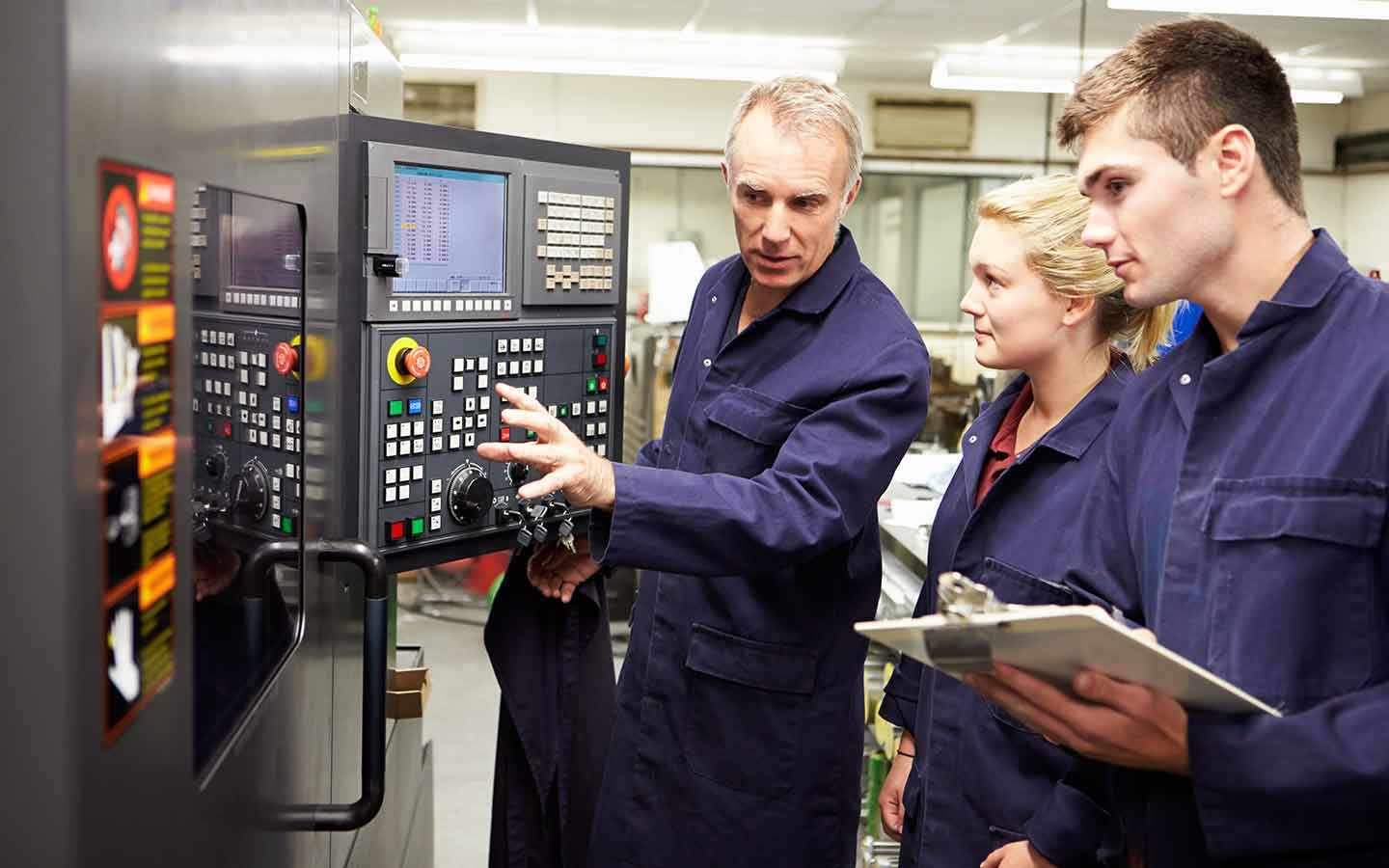
Workforce resistance and skill gaps pose additional challenges. Employees fear job displacement due to automation, leading to hesitancy in adoption. Spain also faces a shortage of workers skilled in robotics and automation technologies, slowing the transition to automated systems.
Competitive Landscape and Strategic Moves
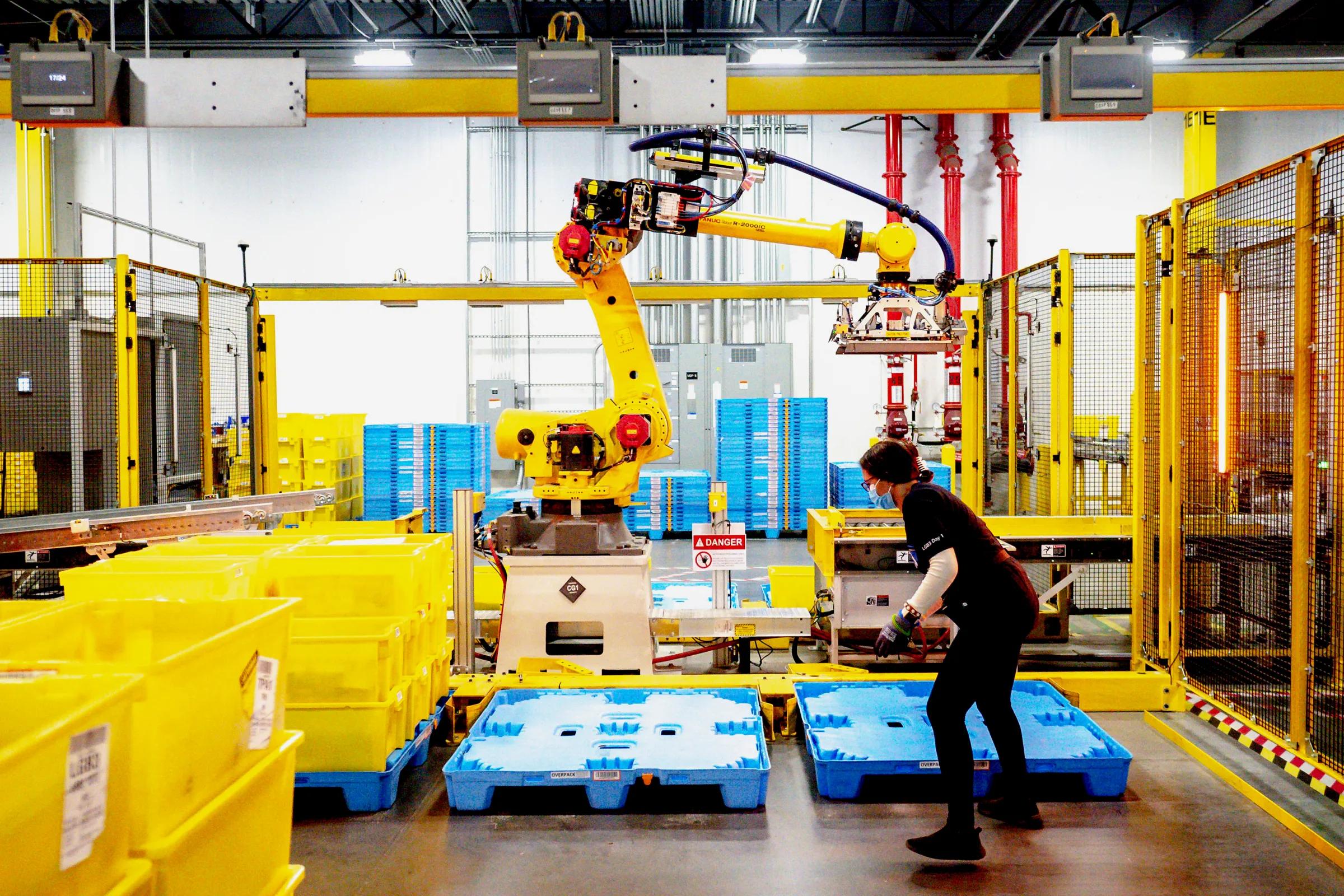
The market is competitive, with global players like ABB, KUKA, Fanuc, and Amazon Robotics leading through innovation. In January 2025, KUKA unveiled the KMP 3000P AMR, designed for heavy payloads, enhancing flexibility in Spanish warehouses. In February 2024, FANUC expanded its operations in Spain through FANUC IBERIA, strengthening its market presence.
Local companies like Robotnik and PAL Robotics are also driving innovation, with Robotnik focusing on sustainable AMRs and cobots tailored for logistics. Strategic partnerships, such as KION GROUP AG’s collaboration with Accenture and NVIDIA in January 2025, are enhancing supply chain efficiency through AI and digital twin technologies.
Consumer and Industry Trends
The rise of omnichannel retail and consumer demand for rapid delivery are driving robotics adoption. Warehouses are scaling up to manage diverse stock-keeping units (SKUs), with robots enabling faster and more accurate order fulfillment. The integration of robotics with IoT and big data analytics is also improving real-time inventory tracking, as noted in a 2025 report.
Future Opportunities
The market offers opportunities in micro-fulfillment centers and last-mile delivery, with humanoid robots projected to become viable by 2027. Emerging sectors like healthcare logistics present growth potential for robotics in managing sensitive inventory. Government incentives for digital transformation, as noted in a 2025 Statista report, will further support market expansion.
Conclusion
Spain’s warehouse robotics market is booming in 2025, driven by e-commerce growth, labor shortages, and advancements in AI and 5G connectivity. Sustainability and Industry 4.0 initiatives position Spain as a leader in automation innovation. Despite challenges like high costs, workforce resistance, and cybersecurity risks, strategic partnerships and innovations are propelling the market forward. As consumer demands and sustainability goals intensify, robotics will continue to transform Spain’s logistics sector, ensuring efficiency and competitiveness.














Write a comment ...